About Ritual and Revolution
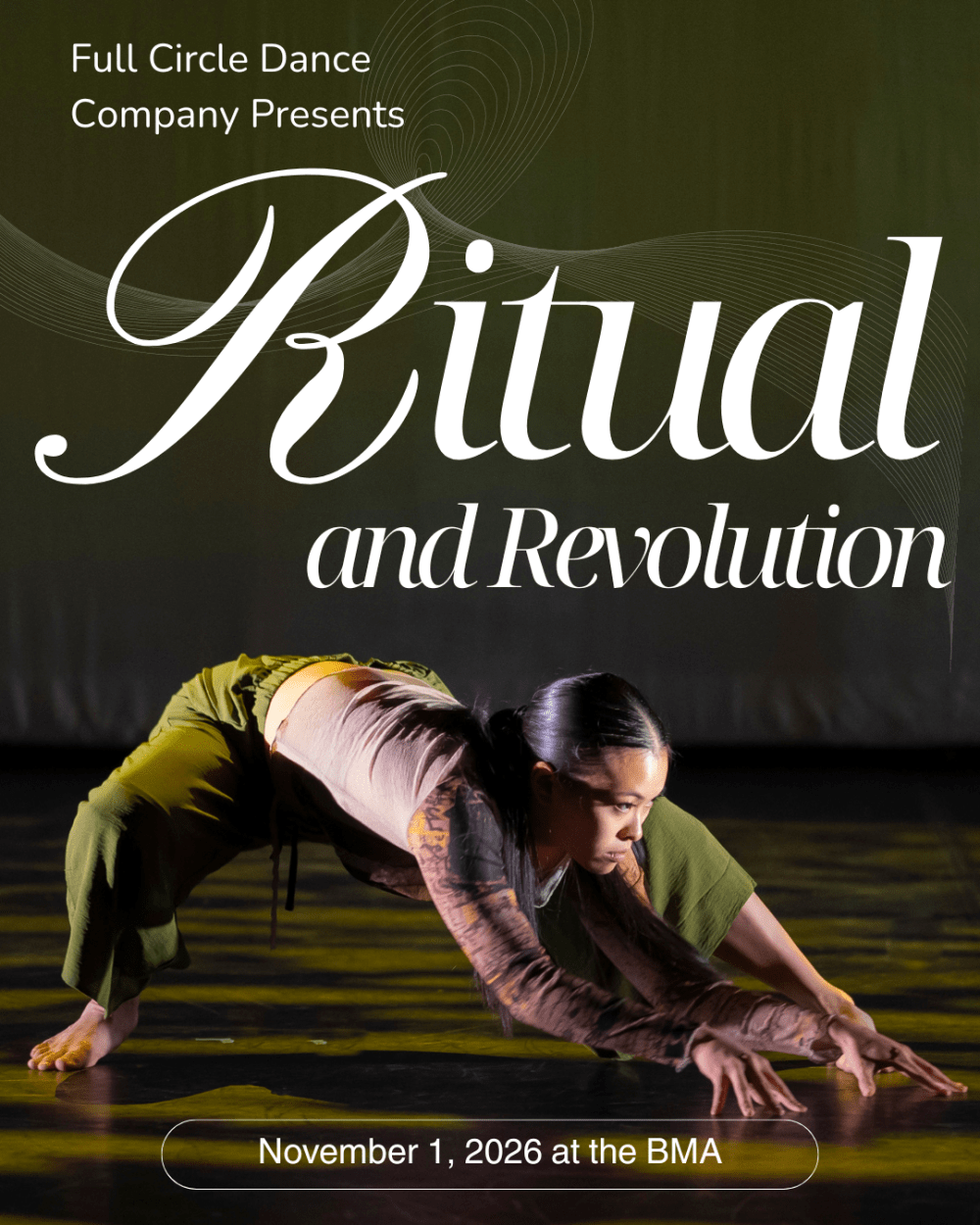
Full Circle Dance Company Presents
Ritual and Revolution
Baltimore’s Full Circle Dance Company is well-known for bringing together diverse choreographers to explore a single theme from multiple angles. On November 1, 2026, Full Circle will premiere the works of five choreographers in Ritual and Revolution at the Baltimore Museum of Art.
“We are excited,” said Full Circle Dance Company Artistic Director Donna L. Jacobs, “that people will experience such varied perspectives on the theme Ritual and Revolution. This performance includes revolutionary experiences that are deeply personal and internal, as well as those that challenge us to make our shared world better. And it considers rituals that might cause harm as well as those that heal—at both the individual and community level.”
A highlight of Ritual and Revolution is award-winning choreographer Hope B. Byers’s new work Cruisin Under Crow: The Road to Dreams & “Difficulties.” Byers shows how car ownership brought a revolutionary freedom for Black families—mobility without the indignities of segregated public transportation. But this freedom was tempered by risks specific to Black motorists—the widespread denial of access to hotels, meals, gas stations, and restrooms and the ever-present danger of racist violence. Byers’s work incorporates rituals Black travelers developed to stay safe on the road during the Jim Crow era, including use of the Negro Motorist Greenbook, and sheds light on how their ingenuity fueled both joy and resistance.
“I envision this work sparking awareness about the hidden costs and psychological toll of restricted Black mobility,” Byers said. “I hope it provokes dialogue that confronts our shared history and its echoes, inspiring change that honors Black journeys and reimagines freedom of movement.”
Other works in Ritual and Revolution include:
*A New Work by Artistic Director Donna L. Jacobs
This ensemble work considers ritualistic thinking, behavior, and practices as they relate to mental health. Jacobs explores the experience of feeling trapped within ritual constraints as well as rituals of healing that might contribute to wellness. (premiere)
*Aporia by Josette Chang
Aporia refers to a state of unresolved contradiction or doubt—a question that resists a clean answer. This work is grounded in the tension between staying within a structure and disrupting it. Chang considers when small adjustments can create meaningful change, and when they begin to feel more like maintenance than transformation. (premiere)
*A New Work by Sam Koseff
This solo explores ritual and revolution through a lens of gender identity. Growing up as a woman, Koseff experienced both beauty and discomfort in girlhood rituals. This piece will honor, explore, and share that experience, while also considering transition as a form of revolution. (premiere)
*Fractions of Reality by Nyah Banks
This work explores the complexity of our individual routines, struggles, and daily lives, and what happens when those realities intersect with the lives of others in our communities. Those encounters can create friction, joy, connection, belonging, and countless other shared experiences. (premiere)
*Vows by Jennifer Seye
In a work that seems ever relevant, Seye draws on wedding rituals as she explores how restrictions on who we are allowed to love have sometimes made marriage feel revolutionary.
Full Circle Dance Company
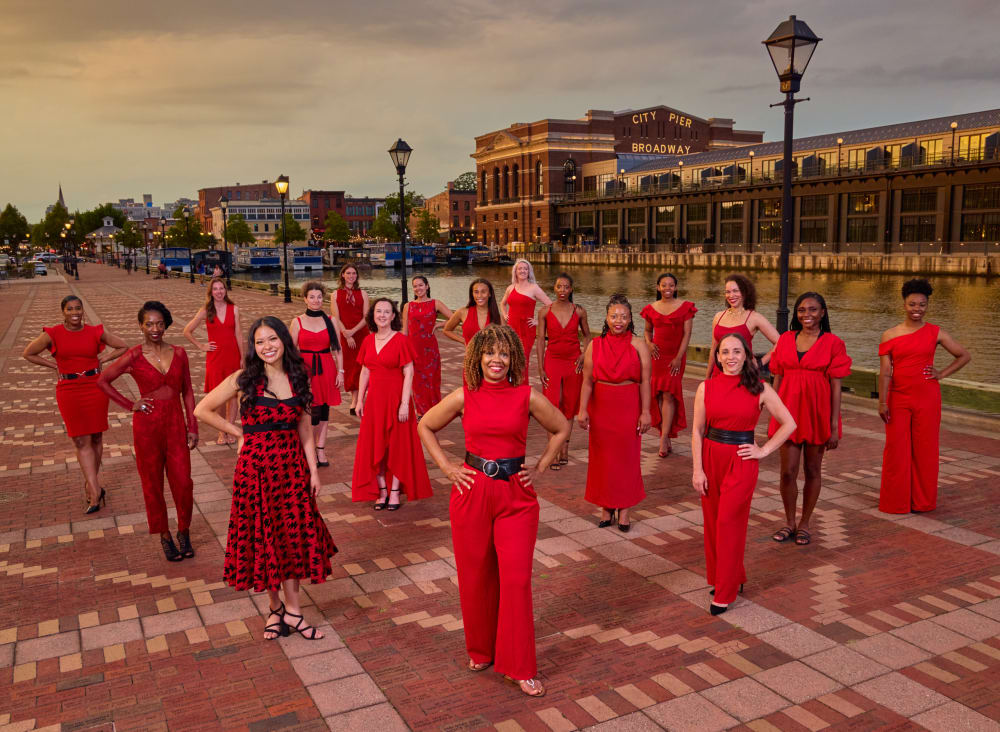
Full Circle Dance Company was founded in 2000 by Donna L. Jacobs. From its inception, Full Circle has been committed to presenting diverse stories, tackling real-world issues, and creating technically excellent work that engages and moves a broad audience. In addition to performing frequently throughout Maryland, Washington DC, and Virginia, Full Circle has performed by invitation in Connecticut, New York, Ohio, Arizona, and Tennessee. Venues have included Baltimore Artscape Festival, Baltimore Museum of Art, Tempe Center for the Arts (AZ), Broadway Dance Center (NY), Ohio University, Wesleyan University (CT), Dance Place (DC), and many others. Tackling such issues as race, religion, body image, gender, and more, Full Circle’s yearlong choreography projects have received both local and national attention.